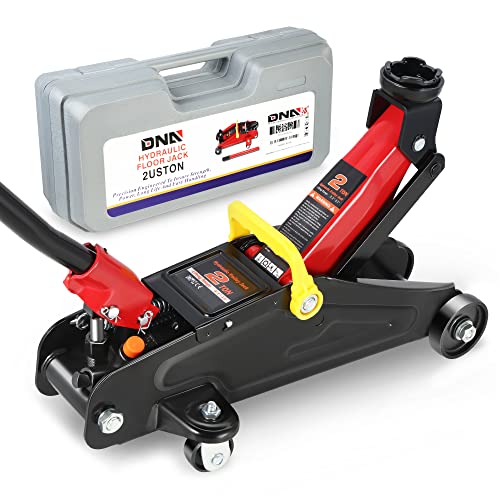

You’re in your garage, staring at a brake job that requires you to crawl under your car on a cold concrete floor. You’ve considered taking it to a shop, but the cost and hassle are off-putting. If you’re a DIY enthusiast or a home mechanic, a portable car lift can transform your workspace, making maintenance and repairs safer and more comfortable. This guide reviews the best portable car lift options for 2026, focusing on models that balance capacity, lift height, and portability for home garage use.
We’ve evaluated top brands like Albott, Rueekfil, and VEVOR to help you find the perfect lift for your needs. Whether you drive a compact sedan or a heavy-duty pickup, these lifts offer professional-grade functionality without the permanent installation of a full-size lift. Let’s dive into the specifics and help you make an informed decision.


Buying Guide: What to Consider in a Portable Car Lift
Before you commit to a portable car lift, it’s essential to understand the key specifications that determine performance and safety. Here are the most critical factors to evaluate.
Lifting Capacity
The lifting capacity is the maximum weight the lift can safely handle. You need to consider the gross vehicle weight rating (GVWR) of your car, including passengers and cargo. For most sedans and SUVs, a capacity of 7,000 to 8,000 lbs provides ample headroom. If you own a heavy truck, consider models like the Rueekfil 9000LBS Portable Car Lift, which offers a higher threshold.
Always choose a lift with a capacity that exceeds your vehicle’s weight. A margin of at least 10% ensures safety and durability. For example, the Albott 8000 LBS model is a solid choice for full-size SUVs and light trucks.
Lift Height and Construction
The maximum lift height determines how much room you have to work underneath. Most portable lifts offer between 23 and 28 inches of clearance, which is sufficient for oil changes, brake work, and exhaust repairs. Higher lift heights, like the 28 inches on the Rueekfil models, provide more comfortable access.
Construction quality is equally important. Look for lifts made from high-strength steel, such as Q355B, which offers superior load-bearing capacity and resistance to bending. Models like the Albott 8000 LBS and the VEVOR 4400 lbs are built with heavy-duty materials that ensure long-term reliability.
Portability and Storage
One of the main advantages of a portable car lift is its ability to be stored when not in use. Check the weight and whether the lift has built-in wheels for easy movement. Many models, such as the Albott 7000 LBS with Extension, feature folding designs and wheels, allowing you to tuck them away in a corner of your garage.
If space is a constraint, consider a compact model like the VEVOR 4400 lbs, which is lighter and easier to maneuver. Also, think about the footprint: some lifts require a wider stance for stability, so measure your garage space to ensure a proper fit. For more garage layout ideas, check out our garage tools guide.
Safety Features
Safety should never be compromised. Look for lifts that include mechanical safety locks, which prevent the lift from lowering unexpectedly. Adjustable height posts and locking levers, as seen on Albott models, add an extra layer of security during operation.
Also, consider the power unit: electric hydraulic lifts with a 120V power unit offer consistent and controlled lifting, reducing the risk of manual errors. Always follow the manufacturer’s instructions and never exceed the rated capacity. For more safety tips, read our article on low profile floor jacks.
Final Thoughts
Choosing the right portable car lift depends on your vehicle type and how you plan to use it. For most home garages, the Albott 8000 LBS Portable Car Lift for Home Garage offers a robust combination of capacity and build quality, while the Rueekfil Heavy-Duty Portable Car Lift 7000 LBS provides an excellent balance of features and affordability. Both are reliable choices that will make your DIY projects safer and more enjoyable.
Frequently Asked Questions
Can I use a portable car lift on any flat surface?
Yes, portable car lifts are designed for use on flat, level surfaces like concrete garage floors. Avoid using them on asphalt or uneven ground, as this can compromise stability and safety. Always ensure the lift is on a solid, level area before raising your vehicle.
How much space do I need to store a portable car lift?
Most portable lifts have a compact footprint when folded. For example, the Albott 7000 LBS with Extension folds down to about 6 feet long and 2 feet wide, and with wheels, you can roll it against a wall or into a corner. Measure your garage to ensure you have enough clearance for storage and operation.
Are portable car lifts safe for all vehicle types?
Portable lifts are safe for most cars, SUVs, and light trucks, provided you stay within the weight capacity and use the lift correctly. Always check the vehicle’s GVWR and the lift’s maximum capacity. For heavier vehicles, consider models like the Rueekfil 9000LBS Portable Car Lift, which offers a higher limit. Also, ensure the lift arms or plates are positioned correctly under the vehicle’s recommended lift points.
Do I need any special tools to operate a portable car lift?
No, most portable car lifts come with everything you need, including a power unit and remote control. For manual models, you may need a standard wrench for assembly. Always read the instruction manual. If you’re also looking for other garage essentials, check out our best tire changer machine guide.