
You are driving home, and suddenly the check engine light glows on your dashboard. Your mind races: Is it a minor sensor glitch or a costly repair? You could rush to a mechanic, but you want to understand the problem first. This is where the choice between a code reader and a scan tool becomes crucial. In this guide, we break down the key differences, help you decide which device fits your needs, and review nine top products to simplify your decision. Whether you are a weekend DIYer or a seasoned enthusiast, our analysis covers everything from basic code retrieval to advanced system diagnostics.
For a broader look at diagnostic tools, check our Diagnostic Tools category for more options.



Buying Guide
Diagnostic Depth: What Systems Can You Access?
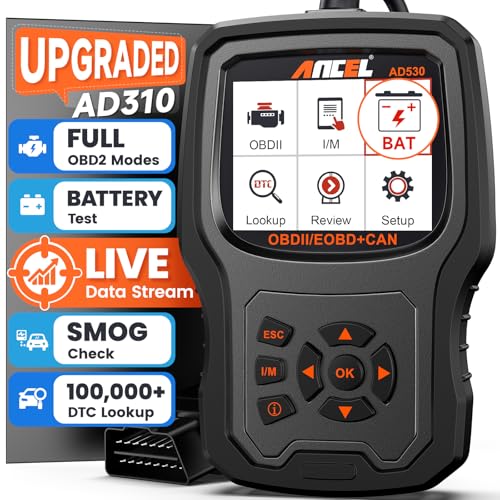
Basic code readers, like the ANCEL AD310, focus on engine and emission-related trouble codes. They read and clear check engine lights, view freeze frame data, and check I/M readiness. For most daily drivers, this is enough to diagnose common issues.
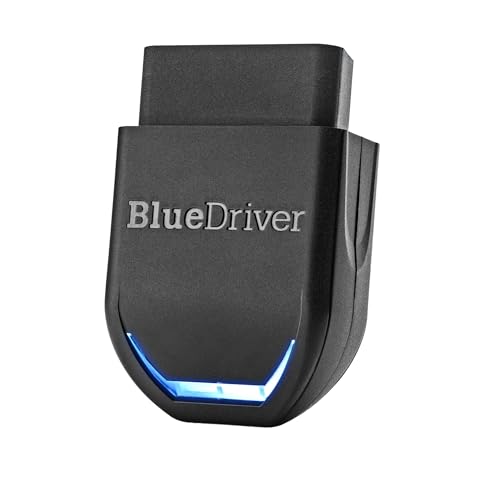
Advanced scan tools, such as the FOXWELL NT604 Elite or BlueDriver, go further. They can access ABS, SRS, transmission, and TPMS systems. If you want to diagnose warning lights beyond the engine, a scan tool is the better choice. For a deeper dive into code readers, see our best code reader guide.
Ease of Use and Connectivity
Handheld code readers like the MOTOPOWER MP69033 are plug-and-play: connect to the OBD2 port, turn the ignition on, and start scanning. No apps or batteries required. They are ideal for quick checks.
Bluetooth-enabled scan tools, like the BlueDriver, pair with your smartphone for a richer interface. You get live data graphs, repair reports, and software updates via an app. However, they rely on your phone’s battery and connectivity. Choose based on whether you prefer a dedicated device or a phone-based experience.
Live Data and Graphing Capabilities
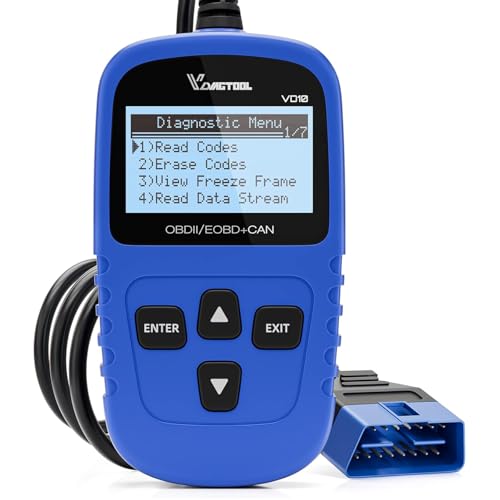
Live data is a key differentiator. Basic readers show static codes, while advanced tools display real-time sensor readings like RPM, coolant temperature, and oxygen sensor values. The FOXWELL NT301 and VDIAGTOOL VD10 offer live data graphing, helping you spot intermittent issues.
If you plan to monitor engine performance over time, a tool with graphing is invaluable. For more on this, read our best code reader for cars article.
Vehicle Coverage and Future-Proofing
Most code readers support OBD2 protocols for vehicles from 1996 onward. However, coverage varies for newer models and specific brands. The BlueDriver and Innova 5210 offer enhanced compatibility with many makes, including newer Nissan and Mazda models.
Check the product’s compatibility list before purchasing. A tool that covers your current car and future vehicles ensures long-term value. For a comparison of top brands, see our ANCEL AD310 review.
Final Thoughts
Choosing between a code reader and a scan tool ultimately depends on your diagnostic needs. For most drivers who simply want to understand and clear a check engine light, a reliable code reader like the ANCEL AD410 Enhanced OBD2 Scanner offers an excellent balance of simplicity and functionality. If you require deeper system access for ABS, SRS, or transmission issues, the FOXWELL Car Scanner NT604 Elite OBD2 Scanner ABS provides professional-grade diagnostics without a steep learning curve. Both tools empower you to take control of your vehicle’s health, saving time and money in the long run.
Frequently Asked Questions
What is the main difference between a code reader and a scan tool? A code reader primarily reads and clears engine-related trouble codes, while a scan tool can access multiple vehicle systems like ABS, SRS, transmission, and TPMS. Scan tools often include live data graphing and advanced diagnostics.
Can a code reader fix my car’s problem? No, a code reader only identifies the trouble code; it does not repair the issue. You must fix the underlying problem before clearing the code. The tool helps you understand what is wrong so you can make informed repair decisions.
Do I need a scan tool if I only have a check engine light? For most check engine light issues, a basic code reader is sufficient. However, if the light is accompanied by ABS or airbag warnings, a scan tool is necessary to diagnose those systems. Consider your vehicle’s warning lights and your comfort level with diagnostics.
Are Bluetooth scan tools reliable compared to handheld ones? Yes, Bluetooth scan tools like the BlueDriver are reliable and offer the convenience of a smartphone interface. They provide regular app updates and detailed repair reports. Handheld tools are more straightforward and do not depend on a phone battery, so the choice comes down to personal preference.