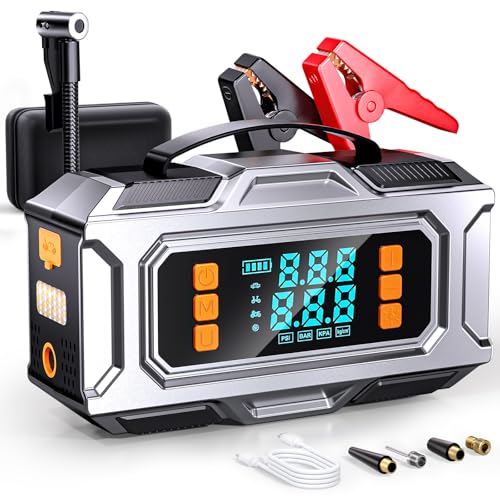

When your shop handles multiple vehicles, a dependable battery charger is non-negotiable. You need a unit that can revive dead batteries quickly, handle various battery types, and endure daily use. This guide zeroes in on the best car battery charger for shop environments, comparing two standout models that cater to different needs.
Whether you run a professional garage or a home workshop, the right charger saves you time and frustration. We’ve evaluated the top contenders based on power output, versatility, safety features, and ease of use. Read on to find the perfect match for your shop.



Buying Guide: What to Look For in a Shop Battery Charger
Power and Engine Start Capability
The primary job of a shop charger is to deliver enough amperage to start dead engines quickly. A high engine start rating, like 250 amps, is ideal for heavy-duty use. It ensures you can revive trucks, SUVs, and equipment without waiting around.
Consider the boost modes as well. A charger with multiple boost settings (e.g., 25A and 50A) offers flexibility for different battery conditions. This is crucial when you deal with a variety of vehicles in your shop.
For a deeper dive into affordable options, check out our guide to the best car battery charger for the money.
Charging Modes and Battery Compatibility
Your shop likely handles batteries of all types: standard flooded, AGM, gel, and deep-cycle. The charger you choose must support these chemistries. Look for models that offer dedicated modes or automatic detection.
Smart chargers with multiple stages (like desulfation, bulk, absorption, and float) are excellent for maintaining battery health. They prevent overcharging and can even repair sulfated batteries, extending their lifespan.
For insights on maintaining batteries over time, see our top picks for car battery chargers and maintainers.
Ease of Use and Safety Features
In a busy shop, you don’t want to wrestle with complicated settings. A user-friendly interface, clear display, and automatic start are valuable. Safety is equally critical: spark-proof connections, reverse polarity protection, and overheat safeguards prevent accidents.
Wheeled models are easier to move around, while compact smart chargers can be mounted on walls. Consider your workspace layout and how often you’ll be moving the unit.
If you’re setting up a home garage, our recommendations for home garage chargers might be just what you need.
Durability and Build Quality
A shop environment is tough on tools. Chargers get bumped, dragged, and exposed to dust and moisture. Look for robust construction, quality cables, and sturdy clamps. A well-built charger will last for years, making it a worthy investment.
Check for certifications like ETL, which indicate the product meets safety standards. Also, consider the brand’s reputation; established manufacturers often offer better support and reliability.
For a broader overview, visit our complete guide to car battery chargers.
Final Thoughts
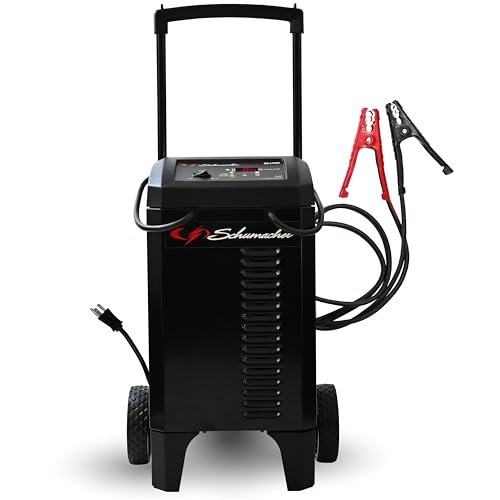
For a shop that demands raw power and high-volume throughput, the Schumacher Electric Wheeled 6/12V 250A Car Battery is a workhorse, delivering massive engine start capability and fast charging for heavy-duty use. If you prefer a more compact, versatile smart charger that handles routine maintenance and repairs with precision, the TowerTop 2/10/25 Amp 12V Smart Car Battery is an excellent choice. Both are top contenders for the best car battery charger for shop applications, so pick based on your specific needs.
Frequently Asked Questions
What is the best car battery charger for a professional shop?
The Schumacher Electric Wheeled 6/12V 250A Car Battery is ideal for professional shops due to its high engine start current and rapid charging. It handles heavy use and a variety of vehicles. For a more budget-friendly smart option, the TowerTop 2/10/25 Amp is also a strong contender.
Can I leave a battery charger on overnight?
Yes, smart chargers with float mode can be left connected indefinitely, as they maintain the battery at optimal voltage without overcharging. The TowerTop charger, for example, switches to pulse maintenance after full charge. Always check the manufacturer’s instructions for your specific model.
What does a desulfator do on a battery charger?
A desulfator sends high-frequency pulses to break down lead sulfate crystals that accumulate on battery plates, which can restore some capacity. This feature is handy for reviving old batteries that have been sitting idle. However, it cannot repair completely dead or physically damaged batteries.
How do I choose between a wheeled and a portable charger?
Wheeled chargers like the Schumacher are best for heavy-duty use where you need high amperage and mobility across a large shop. Portable smart chargers are lighter and more versatile for occasional use and can be stored easily. Assess your typical charging needs and available space.
For more tips, explore our battery charger category.