
Your check engine light just flashed on, and you have no idea what it means. You could drive straight to a shop and hope for the best, or you could take control, plug in a diagnostic tool, and get the answer in seconds. That is exactly why every car owner needs a reliable OBD2 scanner in their glovebox.
In this guide, we cover the best auto diagnostic tool options for 2026, from budget-friendly code readers to professional-grade scanners with advanced features. Whether you are a DIY enthusiast or a weekend mechanic, we have a pick that fits your needs and skill level.



Buying Guide: How to Choose the Right Auto Diagnostic Tool
Vehicle Compatibility and Protocol Support
Before you buy any scanner, verify it supports your vehicle’s make, model, and year. Most OBD2 scanners work with 1996 and newer gasoline vehicles, but some offer broader coverage for diesel or European models.
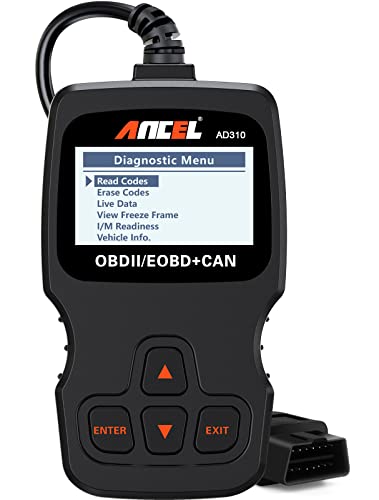
Look for tools that support all major OBD2 protocols, including CAN and KWP2000. If you drive a newer car, consider a scanner with enhanced diagnostics for ABS, SRS, and transmission systems. Check our guide to car scanners for all vehicles for more details.
Ease of Use and Display
If you are new to car diagnostics, choose a scanner with a simple interface, clear buttons, and a readable screen. Color displays with live data graphing make it easier to spot issues at a glance.
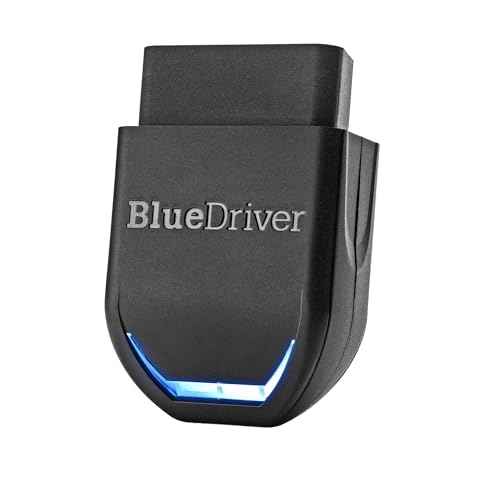
Some scanners pair with smartphone apps via Bluetooth, offering a larger screen and additional features like repair reports. For a balance of simplicity and functionality, the best car engine scanner diagnostic tools often combine both.
Diagnostic Depth: OBD2 vs. Enhanced Systems
Basic code readers only access engine-related codes, while advanced scanners can read and clear codes from ABS, SRS, transmission, and more. If you want to perform your own repairs, invest in a tool with enhanced system coverage.
For professional-level diagnostics, look for features like live data streaming, freeze frame data, and bi-directional control. Compare options in our best car scanner diagnostic tool review to see which ones offer the depth you need.
Extra Features: Resets, Battery Testing, and More
Modern diagnostic tools often include service resets, such as oil light reset, EPB reset, and battery registration. Some even double as battery testers, checking cranking voltage and alternator output.
Consider which maintenance tasks you commonly perform. If you own a diesel or a vehicle with advanced electronics, look for a scanner with DPF reset and SAS calibration. For more on specialized tools, see our top OBD2 scanners with ECU programming.
Final Thoughts
Choosing the right diagnostic tool ultimately comes down to your budget and the level of detail you need. For most DIYers, the FOXWELL NT301 OBD2 Scanner Live Data offers an unbeatable balance of affordability and professional-grade features, while the BLCKTEC 460T OBD2 Scanner Car Code Reader Engine is a powerhouse for those who want dealer-level resets and all-system coverage. Whichever you pick, you will save money and gain peace of mind.
Frequently Asked Questions
Can an auto diagnostic tool clear the check engine light?
Yes, most OBD2 scanners can clear the check engine light after you have fixed the underlying issue. Keep in mind that if the problem persists, the light will come back on.
Do I need a professional scanner or is a basic code reader enough?
For simple diagnostics, a basic code reader is sufficient. If you want to access ABS, SRS, or transmission codes, you need a scanner with enhanced features. For more guidance, check our best code reader for BMW article, which explains the difference.
Will an OBD2 scanner work on my 2020 vehicle?
Yes, all vehicles sold in the US since 1996 are required to have an OBD2 port, so your 2020 car is compatible. However, some advanced features may require a scanner with the latest software updates.
What is the difference between live data and freeze frame data?
Live data shows real-time sensor readings while the engine is running, helping you spot intermittent issues. Freeze frame data captures a snapshot of the engine conditions at the exact moment a fault code was set, which is useful for diagnosing intermittent problems.