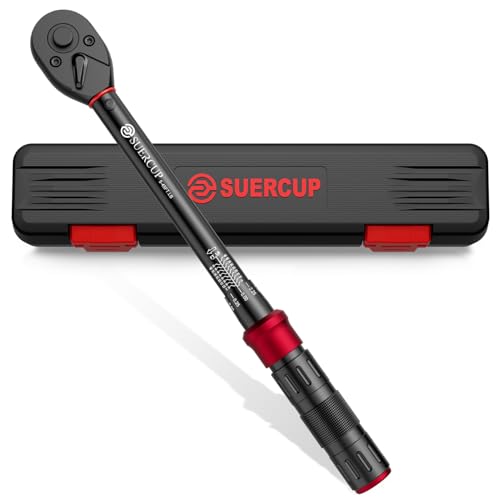

You have just upgraded to a lightweight carbon handlebar and a precision-machined stem. You reach for your trusty old Allen key to tighten the bolts, but you hesitate. How do you know when you have applied enough force? Over-tighten by just a few Newton-meters and you risk cracking that expensive carbon. Under-tighten and your handlebars could slip at the worst moment. This is the reality of modern bike maintenance. For anyone who owns a road, mountain, gravel, or e-bike, a dedicated torque wrench is no longer a luxury; it is a necessity. This guide reviews the best torque wrench for bikes available in 2026, covering everything from professional-grade tools to affordable kits that pack serious value. Whether you are a weekend warrior or a full-time mechanic, we have picked the top options to keep your ride safe and your components intact.
Before you dive into the reviews, it helps to understand why these tools matter. A bicycle torque wrench allows you to apply a specific, repeatable amount of force to a fastener. This precision prevents damage to delicate materials like carbon fiber and aluminum, and it ensures that critical parts like your seatpost clamp and brake rotors are secured to the manufacturer’s specification. If you are new to using these tools, our guide on how to use a torque wrench is a great place to start. For now, let us look at the best options on the market.


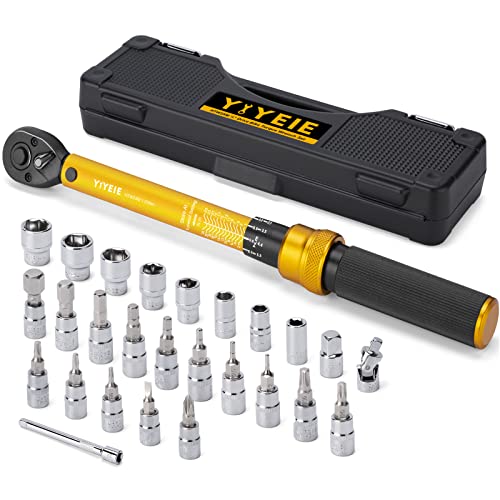
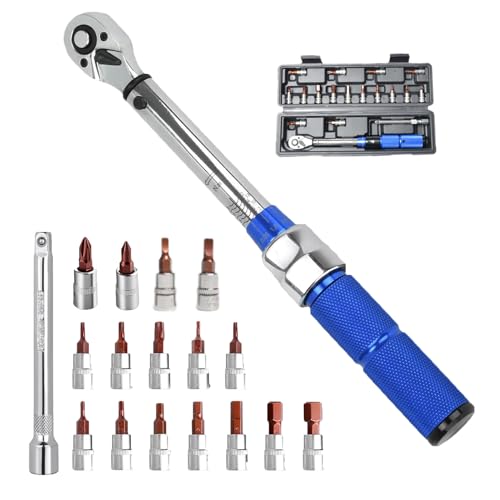

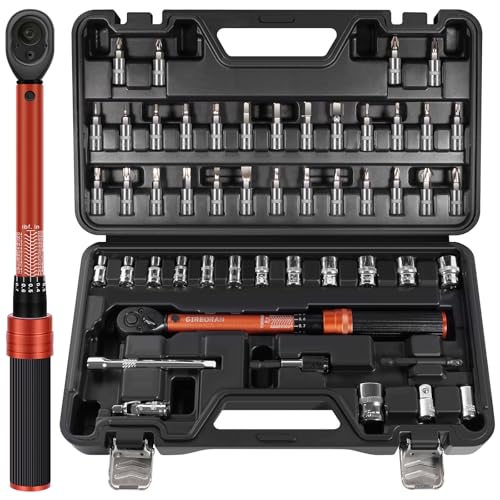

Buying Guide: How to Choose the Best Torque Wrench for Your Bike
Not all torque wrenches are created equal. To find the best torque wrench for bikes, you need to consider a few key factors. Here is what to look for when making your choice.
Torque Range and Precision
The most common torque values for bicycle components fall between 2 Nm and 25 Nm. A wrench that covers this range, like the PRO BIKE TOOL Bike Torque Wrench Set with its 2.2-16.9 Nm range, is ideal for most tasks. Look for a tool with fine micro-adjustment increments, such as 0.1 Nm. This level of precision is critical for carbon fiber parts where the difference between a safe clamp and a cracked frame is just a few units.
Accuracy and Calibration
A torque wrench is only as good as its accuracy. Look for a stated accuracy of ±4% or better, which is the industry standard for bicycle work. Many quality wrenches, such as the Park Tool TW- 5.2, come with an individual calibration certificate. This certificate confirms the tool has been verified to a specific standard. A certified wrench gives you confidence that every click is delivering the exact force you set.
Drive Size and Included Bits
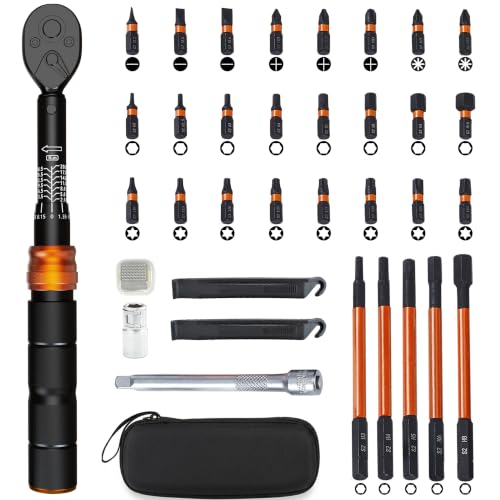
Most bike torque wrenches use a 1/4-inch drive, which is perfect for the small fasteners found on a bicycle. A good set will include a range of hex (Allen) bits, Torx bits, and sometimes even slotted or Phillips bits. Kits like the WAXTRON Bike Torque Wrench Set 2-20 Nm come with a comprehensive selection, saving you from buying bits separately. Also consider the ratchet mechanism. A 72-tooth ratchet provides a small swing arc, making it easier to work in tight spaces around the bike frame.
Build Quality and Feel
A torque wrench is a precision instrument. Look for one made from durable materials like hardened steel and aluminum. The handle should be comfortable and provide a secure grip, even when your hands are greasy. A clear, easy-to-read scale is also important. Some wrenches feature a dual scale showing both Nm and inch-pounds, which is helpful if you work on different types of bikes. For more tips on selecting the perfect tool, check out our guide on the best torque wrench overall.
Final Thoughts
Choosing the best torque wrench for bikes comes down to your specific needs and budget. For the serious cyclist or home mechanic who wants uncompromising accuracy and professional-grade build quality, the Park Tool TW- 5.2 is the gold standard. Its precise click mechanism and trusted brand reputation make it an investment that will last for years. If you are looking for exceptional value without sacrificing performance, the PRO BIKE TOOL Bike Torque Wrench Set offers a complete kit with excellent accuracy and a great selection of bits at a very reasonable price. Both tools will keep your bike’s components properly torqued and your rides safe.
Frequently Asked Questions
What torque range do I need for a bicycle?
Most bicycle fasteners require torque between 2 Nm and 25 Nm. A wrench covering this range, like the YIYEIE 1/4 Inch Drive Bike Torque Wrench, will handle stems, seatposts, handlebars, and brake components. Always check your component manufacturer’s specifications for the exact value.
How often should I calibrate my bike torque wrench?
For home use, calibrating every 12 to 24 months is sufficient if you store the wrench properly and do not drop it. Professional shops may calibrate annually. When you purchase a quality wrench, it comes pre-calibrated. If you are unsure about your tool’s accuracy, you can have it re-calibrated by a professional service.
Can I use a torque wrench for both tightening and loosening bolts?
Yes, many modern torque wrenches, such as the GIREORAN Bike Torque Wrench Set, feature a reversible ratchet head that allows you to use them in both directions. However, the click mechanism is only accurate when tightening. Use the wrench to loosen bolts, but do not rely on the click for any measurement in that direction.
What is the difference between a beam-style and a click-style torque wrench?
A beam-style wrench uses a deflecting beam and a pointer to show the applied torque. They are simple and never need calibration, but they can be harder to read accurately. A click-style wrench, like all the models reviewed here, emits an audible and tactile click when the preset torque is reached. They are easier to use in tight spaces and provide more consistent results. For a deeper comparison, read our article on the best torque wrench for the money.