

When you are rebuilding an engine or torquing critical components like cylinder heads and connecting rods, a standard wrench simply will not do. The margin for error is razor thin. Using an inaccurate torque wrench can lead to stripped threads, uneven clamping forces, and ultimately engine failure. That is why selecting the best torque wrench for engine work is a decision you cannot afford to rush. This guide evaluates five top-tier tools designed to deliver the accuracy and reliability your engine projects demand, from digital precision wrenches to industrial-grade click models.
For more guidance on choosing the right tool for specific tasks, you can explore our roundup of the best torque wrenches for car wheels.



Buying Guide
Accuracy and Calibration
For engine work, accuracy is non-negotiable. Look for tools that are certified within a tight tolerance, typically ±2% to ±4% of the set value. Digital torque wrenches often lead in this area, offering real-time readouts and built-in memory for repeated settings. A tool that comes with a calibration certificate gives you added confidence right out of the box.
Torque Range and Application Fit
Engine components require a wide range of torque values. Small fasteners like those on timing covers may need only a few foot-pounds, while head bolts can demand over 100 ft-lb. Choose a wrench whose range covers the specific tasks you perform most. A dual-direction tool that works for both tightening and loosening is a practical advantage for any mechanic.
If you work on a variety of vehicles, you might also find our guide on the best torque wrenches for dirt bikes helpful for smaller engines.
Build Quality and Durability
Engine work is demanding, so your torque wrench must withstand drops, grease, and repeated use. Look for models with hardened alloy heads and comfortable, non-slip handles. A robust storage case is a bonus, protecting the wrench when it is not in use and keeping its calibration intact over time.
Ease of Use and Feedback
Whether you prefer a clear digital display or an audible click signal, the tool should provide unambiguous feedback when the target torque is reached. Features like memory presets and peak hold can streamline repetitive tasks, while a bright LED light helps you see in dim engine bays. The right feedback mechanism reduces the risk of over-torquing.
Final Thoughts
For precision engine work, your choice comes down to the type of feedback you trust most. The NAVAC NTW1 Digital Torque Wrench – Adjustable Jaw stands out for its digital accuracy, memory presets, and dual-direction capability, making it ideal for repeated, exacting tasks. If you prefer a rugged, mechanical tool for heavy-duty applications like truck or large engine assembly, the RIMKOLO 3/4-inch Drive Click Torque Wrench offers industrial-grade build and a clear audible signal you can rely on.
Frequently Asked Questions
What is the best torque wrench for engine work in 2026?
For 2026, the NAVAC NTW1 Digital Torque Wrench is a top contender due to its high accuracy, adjustable jaw, and memory functions. The RIMKOLO 3/4-inch Drive Click Torque Wrench is also an excellent choice for heavy-duty engine tasks that require a higher torque range.
Can I use an impact wrench for torquing engine bolts?
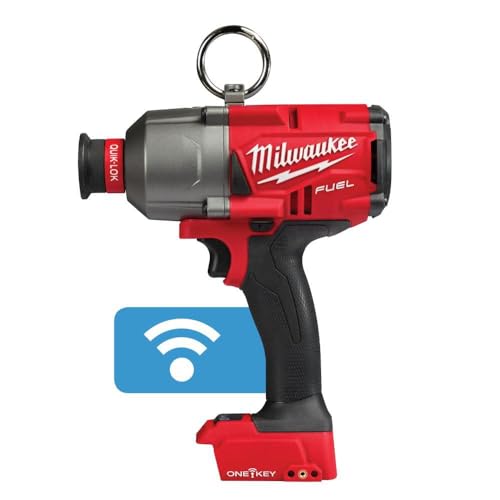
No, an impact wrench is not designed for precision torque application. It is best used for fast removal and initial tightening. You must use a torque wrench for the final tightening to ensure accurate clamping force on critical engine components.
How often should I calibrate my torque wrench?
For professional use, calibrate your torque wrench at least once a year or after every 5,000 cycles. If you drop the tool, it is wise to have it recalibrated immediately. Many manufacturers offer calibration services or include a certificate with the tool.
What is the difference between a click and a digital torque wrench?
A click torque wrench provides an audible and physical click when the set torque is reached. A digital torque wrench displays the torque value on a screen and often includes features like memory presets and peak hold. Digital models are generally more precise and easier to read in low light, but they require batteries.


