

Your check engine light just flashed on, and you have no idea what’s wrong. You could take it to a shop and pay for a diagnostic, or you could grab a reliable car diagnostic tool and find out yourself. For home use, the right scanner can pay for itself in one visit. In this guide, we’ll explore the best car diagnostic tool for home use, covering options from simple code readers to advanced scanners that handle ABS, SRS, and even battery health.
We’ve reviewed the top models on the market, focusing on ease of use, feature set, and value. Whether you’re a seasoned DIYer or a newbie, we’ll help you find the perfect tool for your garage. Let’s dive in.



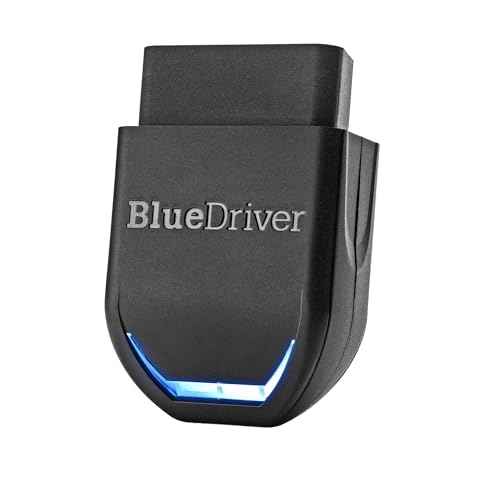


Buying Guide: What to Look For in a Home Diagnostic Tool
Choosing the right diagnostic tool can feel overwhelming with so many options. Here are the key factors to consider before you buy.
System Coverage: Engine Only vs. Full Systems
Basic code readers only access the engine control module. They can read and clear check engine codes. But if you need to diagnose ABS, SRS (airbag), or transmission issues, you’ll need a scanner with multi-system capabilities. For many home users, engine-only coverage is enough, but consider your vehicle’s age and your comfort level.
If you drive an older car, engine-only might suffice. For newer vehicles with complex electronics, a scanner that can read ABS and SRS codes is invaluable. Check out our guide on the best professional scan tool for more advanced options.
Ease of Use: Standalone vs. Smartphone App
Standalone scanners have a built-in screen and buttons, making them straightforward to use. They are often plug-and-play, requiring no setup. Smartphone-based scanners connect via Bluetooth and use an app, offering a larger display and more features. They can be more intuitive for some users, but they require a compatible phone.
For quick checks, a standalone unit is convenient. For deeper analysis and data logging, an app-based scanner is powerful. If you prefer a simple, no-nonsense tool, the best code reader for Ford F150 might be a good starting point.
Live Data and Graphing Capabilities
Live data shows real-time sensor readings like RPM, coolant temperature, and oxygen sensor voltage. This is crucial for diagnosing intermittent issues. Graphing capabilities let you visualize data trends, making it easier to spot anomalies. If you plan to do your own troubleshooting, live data is a must-have.
Even basic scanners now offer some live data, but higher-end models provide more parameters and better graphing. For a deep dive into vehicle health, check out our best auto diagnostic tool roundup.
Special Functions: Battery Testing and Resets
Some scanners include a battery tester, which can check voltage and cranking health. Others offer service resets like oil light reset, EPB reset, or TPMS relearn. These are handy for performing routine maintenance at home. If you want to avoid dealer visits for simple resets, choose a scanner with these features.
For instance, the best OBD2 scanner for forced DPF regeneration often includes special functions. Consider what maintenance tasks you want to handle yourself.
Final Thoughts
Ultimately, the best car diagnostic tool for home use depends on your specific needs. For a budget-friendly, reliable code reader that covers the essentials, the FOXWELL NT301 OBD2 Scanner Live Data is an excellent choice. If you want to dive deeper into ABS, SRS, and transmission diagnostics, the FOXWELL Car Scanner NT604 Elite OBD2 Scanner ABS offers professional-level capabilities at a reasonable price. Both are solid investments for any home garage.
Frequently Asked Questions
What is the difference between a code reader and a diagnostic tool?
A code reader simply reads and clears diagnostic trouble codes (DTCs). A diagnostic tool, or scanner, offers more advanced features like live data, graphing, and special functions. For home use, a scanner with live data is more useful for troubleshooting.
Will an OBD2 scanner work on my car?
Most OBD2 scanners work on gasoline vehicles made in 1996 or newer. Some also support hybrid and diesel models. Always check the product’s compatibility list before purchasing, as coverage varies by make, model, and year.
Can I use a car diagnostic tool to pass a smog check?
Yes, many scanners have an I/M readiness feature that shows if your vehicle’s monitors are ready for an emissions test. This helps you know if you’ll pass before you go to the testing station. It can save you time and money.
Do I need a professional mechanic to use these tools?
No, most home-use diagnostic tools are designed for beginners. They come with user-friendly interfaces and code definitions. With a little research, you can easily read and clear codes yourself. For more complex repairs, you may still need a professional, but these tools help you understand the problem first.


