

You have a critical bolt to tighten on your car or motorcycle, and you know that guessing the torque is not an option. Overtightening can strip threads or warp components, while undertightening risks failure down the road. A click torque wrench solves this problem with an audible and tactile signal when you hit the preset value. But with so many options on the market, finding the best click torque wrench for the money can feel overwhelming.
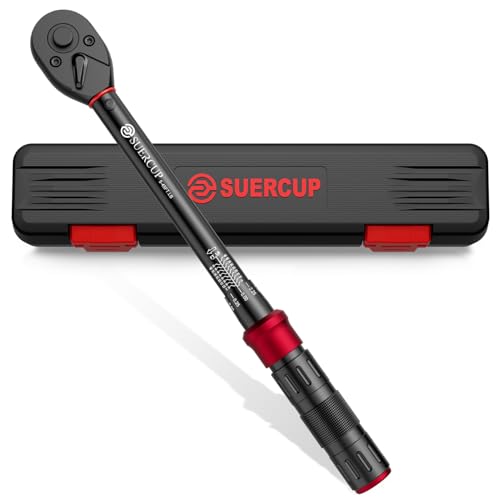
This guide is for DIY mechanics, home garage enthusiasts, and professionals who want reliable accuracy without spending a fortune. We have reviewed eight top-rated click torque wrenches from brands like EPAuto, LEXIVON, and SUERCUP to help you choose the right tool for your budget and projects. For more context on precision tools, check out our best torque wrench for motorcycles guide.




Buying Guide
Accuracy and Calibration
The primary job of a click torque wrench is to deliver consistent torque within a stated tolerance. Most quality wrenches are pre-calibrated to within ±3% or ±4% accuracy. A higher accuracy rating reduces the risk of under- or over-tightening, which is vital for applications like engine assembly or wheel lug nuts.
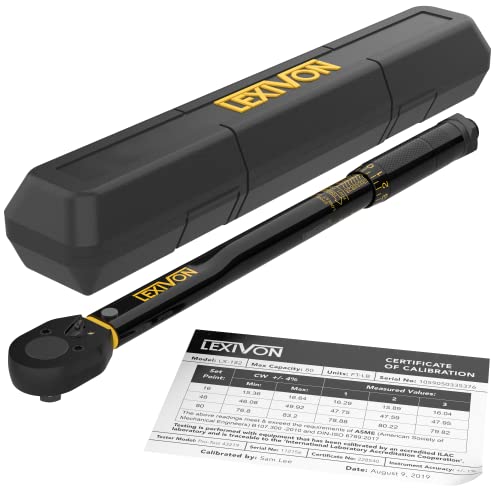
Look for wrenches that include a calibration certificate with a traceable serial number. This gives you confidence that the tool was verified at the factory and can be re-calibrated later if needed. For more budget-friendly options, see our good cheap torque wrench guide.
Drive Size and Torque Range
Click torque wrenches come in common drive sizes: 1/4-inch, 3/8-inch, and 1/2-inch. The 1/2-inch drive is ideal for heavy-duty tasks like lug nuts and suspension bolts, typically covering 10 to 150 ft-lb or more. The 3/8-inch drive is versatile for mid-range work like spark plugs and engine components, while the 1/4-inch drive handles small fasteners.
Choose a range that matches your most frequent projects. A set that includes multiple drives, like the YIYEIE 8-piece set, offers flexibility for different jobs without buying separate tools. For related advice, read our best impact wrench for the money article.
Build Quality and Materials
The durability of a torque wrench depends on the materials used. Look for hardened chrome vanadium steel (Cr-V) or chrome molybdenum steel (Cr-Mo) in the ratchet head and body. These materials resist corrosion and withstand repeated use without losing accuracy.
An ergonomic handle with a knurled or textured grip reduces hand fatigue during extended use. A reversible ratchet head with a high tooth count (72 teeth) allows a small swing arc, which is helpful in tight spaces. A sturdy storage case protects the tool when not in use.
Ease of Use and Readability
Setting the torque quickly and accurately is essential. Look for a locking collar that you pull down to adjust and release to lock. A dual-range scale showing both ft-lb and Nm with high-contrast markings makes reading easy, even in low light.
Some wrenches feature laser-etched scales that resist wear. A clear and loud click sound at the preset torque provides confidence, especially when working in noisy environments. For more on precision tools, explore our best torque wrenches for dirt bikes guide.
Final Thoughts
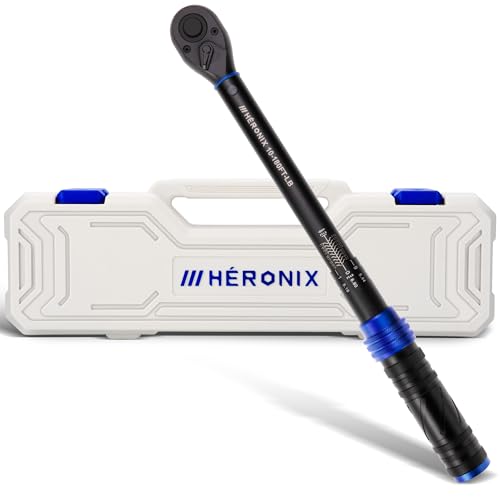
After evaluating these eight click torque wrenches, two models stand out for different needs. The EPAuto 1/2-inch Drive Click Torque Wrench offers exceptional value with its durable Cr-V steel construction, clear dual scale, and included extension bar, making it a reliable choice for general automotive work. For those who need higher precision and a wider torque range, the HERONIX 1/2 Inch Drive Click Torque Wrench delivers ±3% accuracy, a 72-tooth ratchet, and a professional calibration certificate at a budget-friendly price. Both represent the best click torque wrench for the money in 2026.
Frequently Asked Questions
What is the difference between a click torque wrench and a beam torque wrench?
A click torque wrench uses an internal spring mechanism that produces an audible click when the preset torque is reached. A beam torque wrench has a pointer and scale that you read visually. Click wrenches are generally more accurate and easier to use in tight spaces.
How often should I calibrate my click torque wrench?
Most manufacturers recommend calibration every 12 months or after 5,000 cycles, whichever comes first. If you drop the wrench or suspect it is out of spec, have it calibrated sooner. Many professional tools include a calibration certificate with a serial number for traceability.
Can I use a click torque wrench for loosening bolts?
No, click torque wrenches are designed to measure torque only when tightening in a clockwise direction. Using them to loosen bolts can damage the internal mechanism and affect accuracy. Use a standard ratchet or breaker bar for loosening.
What torque range should I choose for car maintenance?
For most car maintenance tasks like lug nuts and engine bolts, a 1/2-inch drive wrench with a range of 10 to 150 ft-lb covers common needs. For smaller fasteners, a 3/8-inch drive wrench with a range of 5 to 80 ft-lb is ideal. A set with multiple drives offers the most versatility. For more on torque tools, see our best torque wrench for mounting scopes guide.

